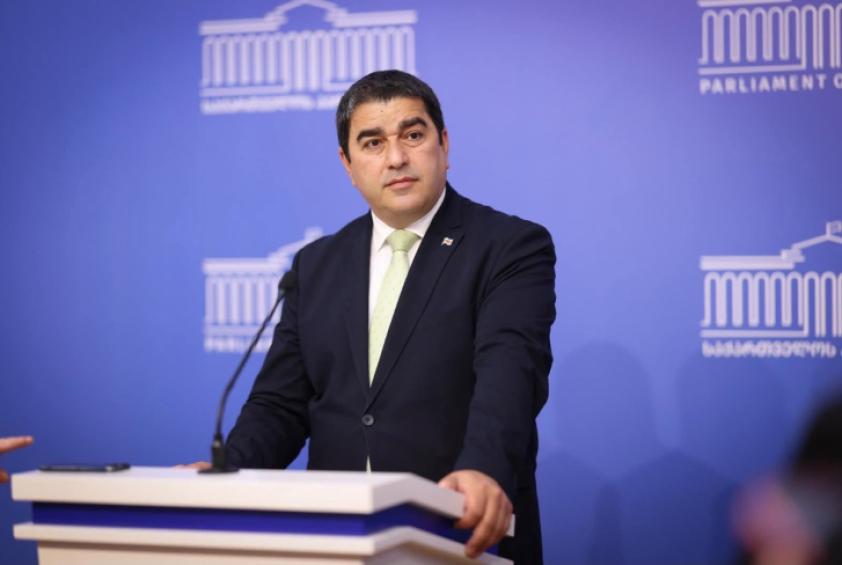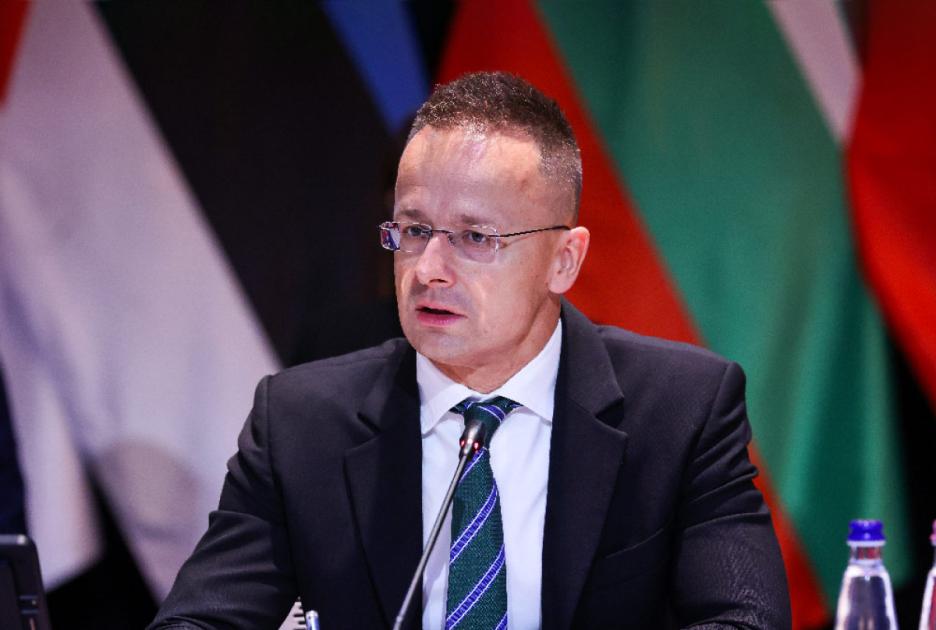




Hungarian Foreign Minister Péter Szijjártó responded to a Georgian journalist’s question about a recent BBC report by arguing that criticism from what he called the “international liberal media” should be viewed as a source of honour and pride. According to Szijjártó, such criticism arises precisely because a government pursues a “patriotic and sovereign political strategy.”
He asserted that governments aligned with the “mainstream” and following “instructions from Brussels” receive favourable media coverage but fail to act in their national interest. By contrast, he said, those who resist the “liberal ideological mainstream” should expect attacks from international outlets, stressing that what ultimately matters is the opinion of their own citizens. Winning elections while facing foreign criticism, he argued, is preferable to media approval paired with domestic political defeat.
Szijjártó reaffirmed Hungary’s support for Georgia, stating that Budapest would continue urging EU leaders to “show respect” toward the country and its government. He added that Hungary would not support sanctions against Georgia, would maintain visa-free travel for Georgian citizens, and anticipated a broader “patriotic shift” in European politics that, in his view, would reduce such media criticism.
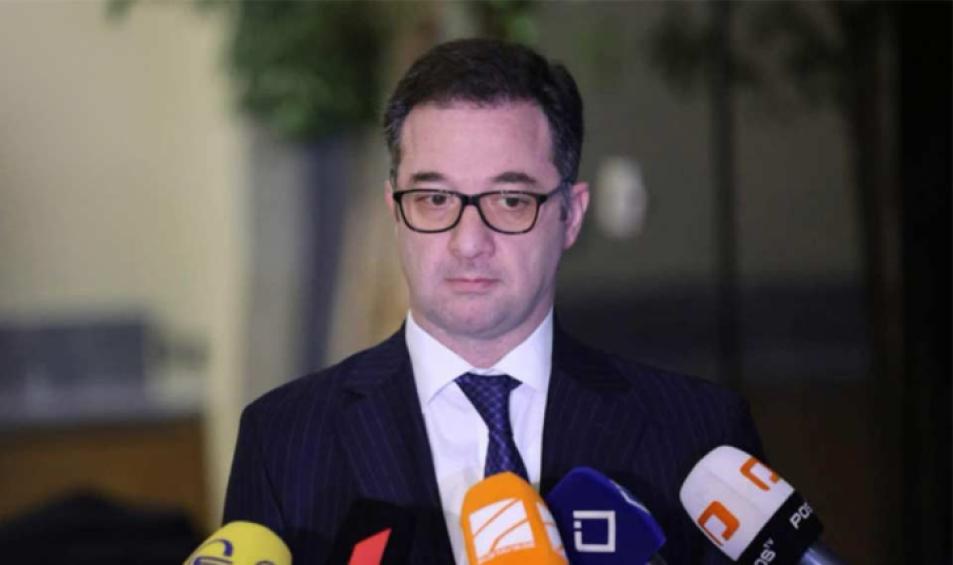
His remarks came in the wake of a BBC investigation titled “WW1 toxic compound sprayed on Georgian protesters, BBC evidence suggests.” The report examines claims that a chemical agent dating back to World War I may have been used during recent protests in Georgia.
The BBC cites multiple sources—including paediatrician Konstantine Chakhunashvili, former Special Tasks Department head Lasha Shergelashvili, and toxicology expert Christopher Holstege—while also featuring comments from Eka Gigauri and Giorgi Bachiashvili. Shergelashvili told the BBC he believes the substance resembles one he was asked to test for potential use in water cannons in 2009.
Georgia’s authorities dismissed the BBC’s findings as “deeply frivolous” and “absurd,” insisting that law enforcement acted “within the bounds of the law and constitution” in response to what they described as “illegal actions of brutal criminals.”
In a new development, the ruling Georgian Dream party announced today that it is launching legal action against the BBC in international courts.
0
0