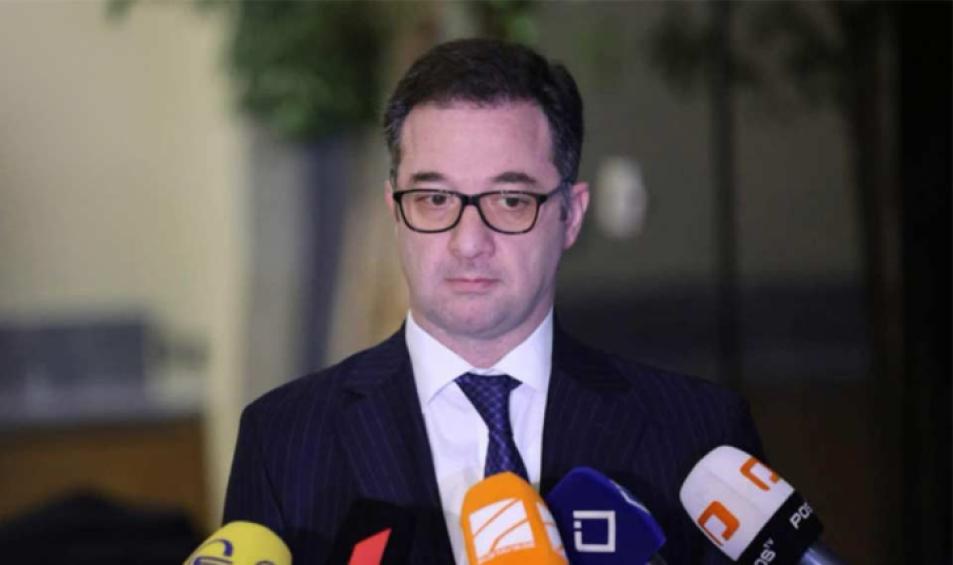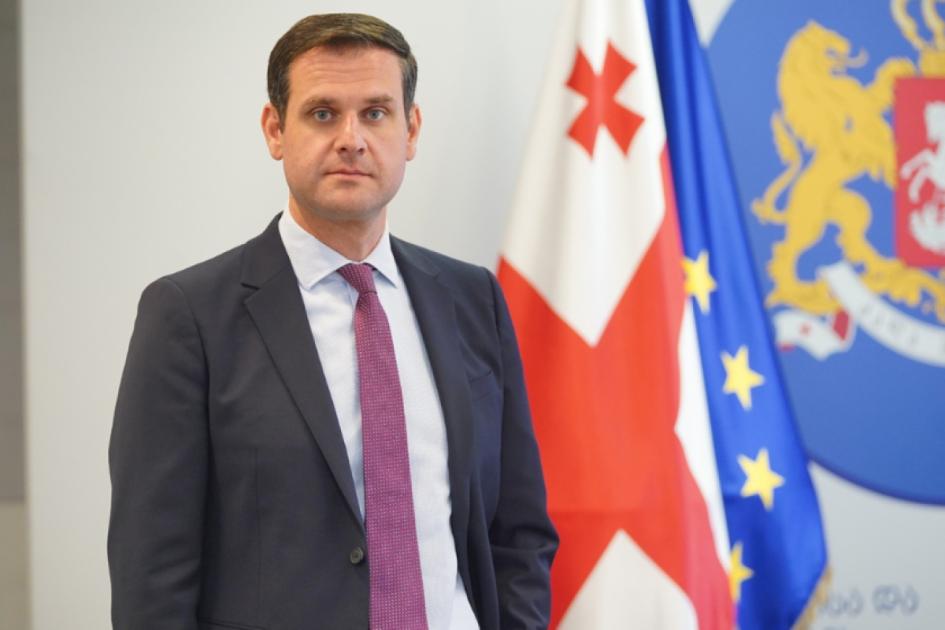




Georgia recorded strong foreign trade performance in 2025, with exports exceeding USD 6.6 billion in the first eleven months of the year, said Genadi Arveladze, Deputy Minister of Economy and Sustainable Development. He noted that exports grew by more than 10% year-on-year during the reporting period and surpassed the total export volume of the previous year.
According to Arveladze, the geographical scope of Georgia’s exports also expanded significantly, with goods exported to 134 countries. Export growth was recorded in 70 countries, while exports to 20 countries more than doubled.
The Deputy Minister highlighted Georgia’s extensive network of free trade agreements, which have been signed with 46 countries and one administrative unit and cover 87% of the country’s exports. In particular, agreements with the European Union, China, Hong Kong, the United Arab Emirates, and other partners provide Georgian producers with access to a consumer market of approximately 2.3 billion people. He emphasized that these achievements are the result of the government’s consistent trade policy and active negotiations following the signing of the Association Agreement with the European Union.
Arveladze also noted that two working meetings have already been held this month with the Gulf Cooperation Council (GCC) to conduct consultations on launching negotiations for a free trade agreement. He expressed confidence that the GCC would take a positive decision to begin negotiations, which would grant Georgian businesses access to an additional market of more than 60 million consumers.
Looking ahead, the Deputy Minister stated that negotiations on a free trade agreement with Serbia are expected to begin in the near future, following a decision reached during the recent visit of Georgia’s Minister of Economy and Sustainable Development, Mariam Kvrivishvili, to Serbia. He added that active consultations are underway with Israel, with negotiations planned to start in 2026. Negotiations with South Korea have already been completed, and the process has entered the legal phase. Altogether, these initiatives are expected to provide Georgian entrepreneurs with access to a consumer market exceeding 130 million people.
Arveladze also underscored the role of the “Make in Georgia” agency in supporting local exports, noting that the programme assists exporters in expanding their presence in international markets and increasing global awareness of Georgian products.
0
0