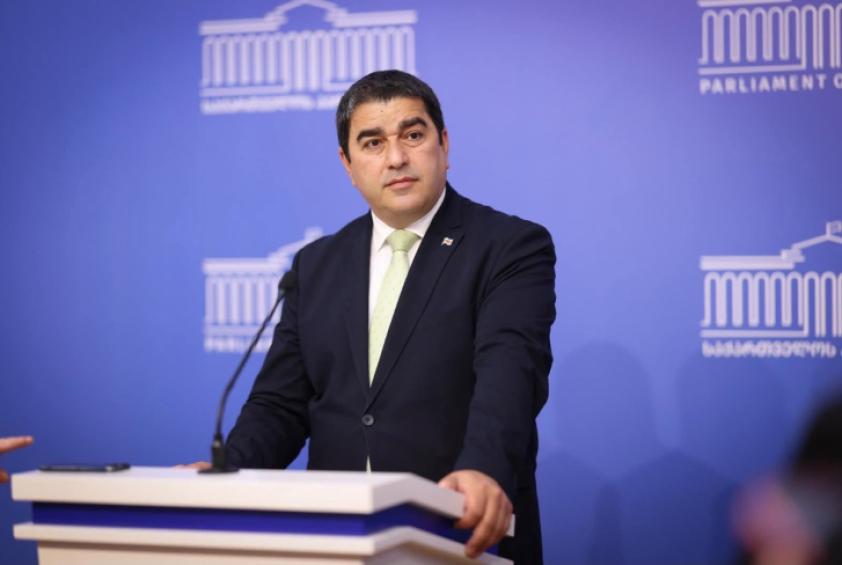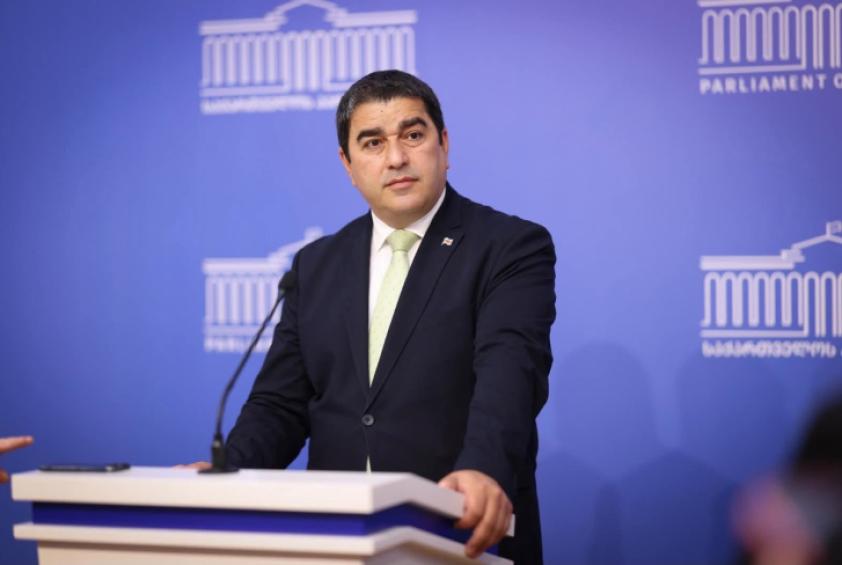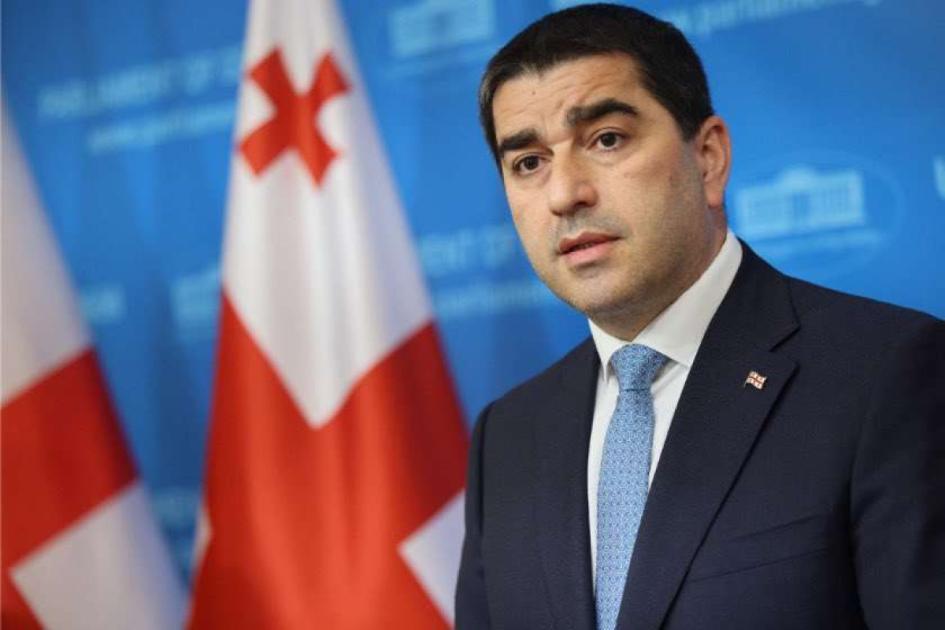




Georgian Parliament Speaker Shalva Papuashvili sharply criticized the BBC’s recent investigation “WW1 toxic compound sprayed on Georgian protesters, BBC evidence suggests,” claiming the report was part of a coordinated attempt to spread a “false narrative” against Georgia.
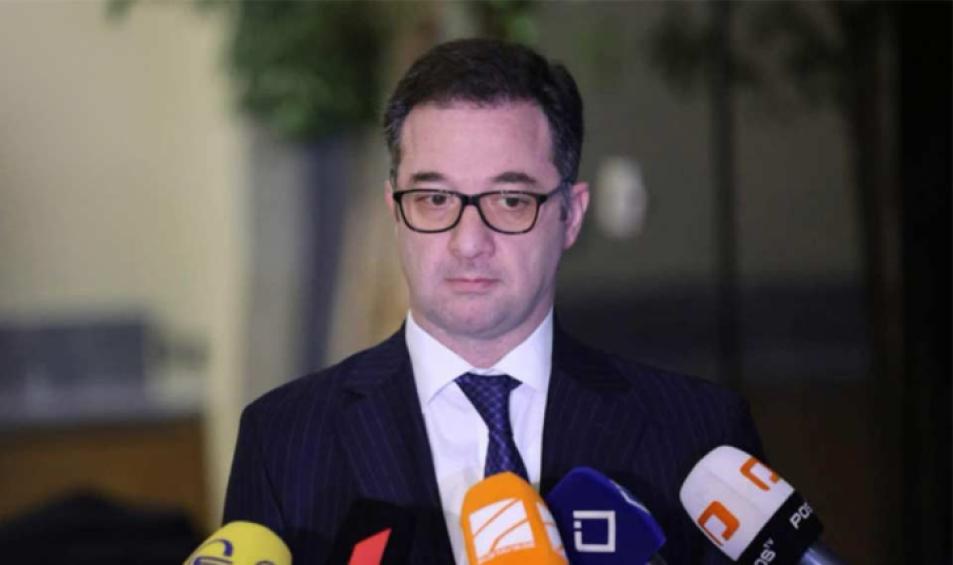
According to the BBC’s publication, the alleged use of a World War I–era chemical agent was supported by testimony from paediatrician Konstantine Chakhunashvili, former Special Tasks Department head Lasha Shergelashvili, and toxicology expert Prof. Christopher Holstege, with additional comments from Eka Gigauri and Giorgi Bachiashvili. Shergelashvili told the BBC he believed the substance resembled one he was asked to test for possible deployment in water cannons in 2009.
The report also noted that Georgian authorities dismissed the findings as “absurd,” insisting that police acted lawfully while responding to the “illegal actions of brutal criminals.”
Papuashvili argued that the controversy surrounding the BBC story had exposed what he described as a deliberate, coordinated effort to mislead the public:
“What emerged after that is more significant than any single BBC story; it shows how they worked together, orchestrated, to disseminate a false narrative.”
He asserted that “external taskmasters” and “agents within the country” were acting in concert, claiming that their identities had now become visible. According to Papuashvili, the BBC publication fits into a broader pattern of “hybrid warfare tactics” directed at Georgia:
“The weapon is the story, although the clients and their objectives have become clear from the responses and the situation we have observed.”
Amid the escalating dispute, the ruling Georgian Dream party announced today that it is launching legal action against the BBC in international courts.
0
0