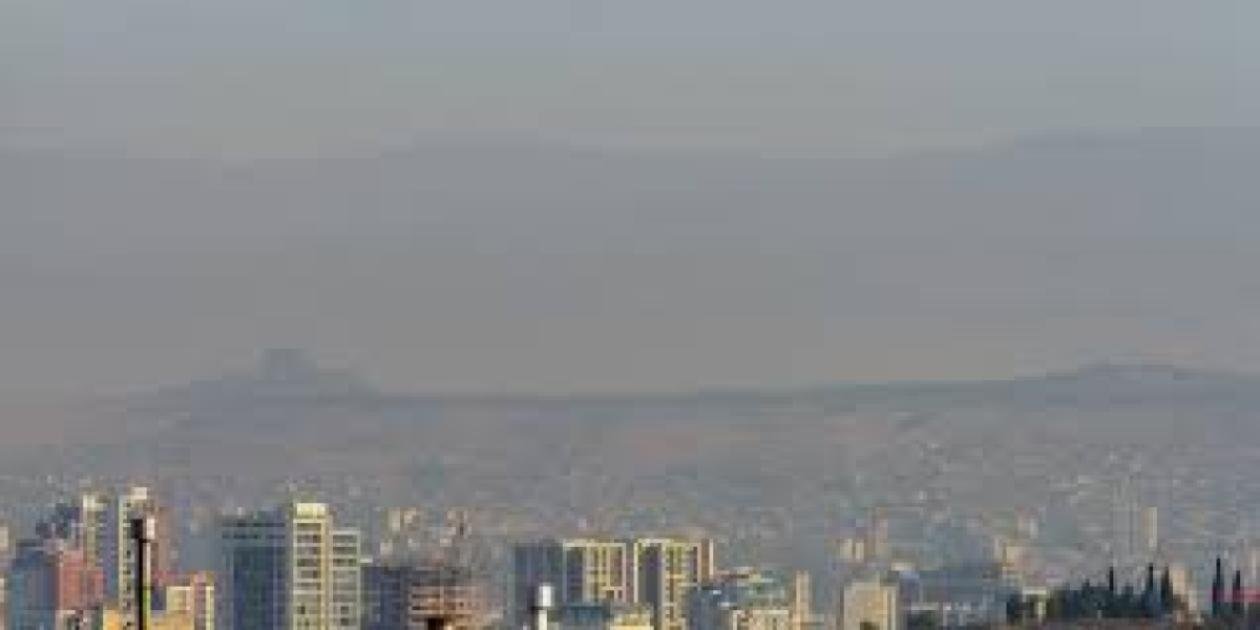




The recent rise in solid particles in Georgia’s air is the result of desert dust masses moving into the region, the National Environmental Agency (NEA) reported.
Marina Arabidze, Head of the NEA’s Environmental Pollution Monitoring Department, noted that air quality is expected to improve once the necessary meteorological conditions—such as rain, snow, or stronger winds—develop.
She emphasized that the agency constantly tracks atmospheric air quality through 18 automatic monitoring stations nationwide.
“Over the past few days, we have again observed increased concentrations of particulate matter (PM10 and PM2.5) in Georgia’s air. This is the result of dust masses spreading from the south and southeast,” Arabidze said.
She added that the lack of precipitation and wind in recent days has prevented pollutants from dispersing.
According to Arabidze, the spread of desert dust into Georgia occurs periodically throughout the year, with improvement dependent on shifting weather patterns.
0
0